
Flavour and Fruıt Concentrate Productıon Lıne

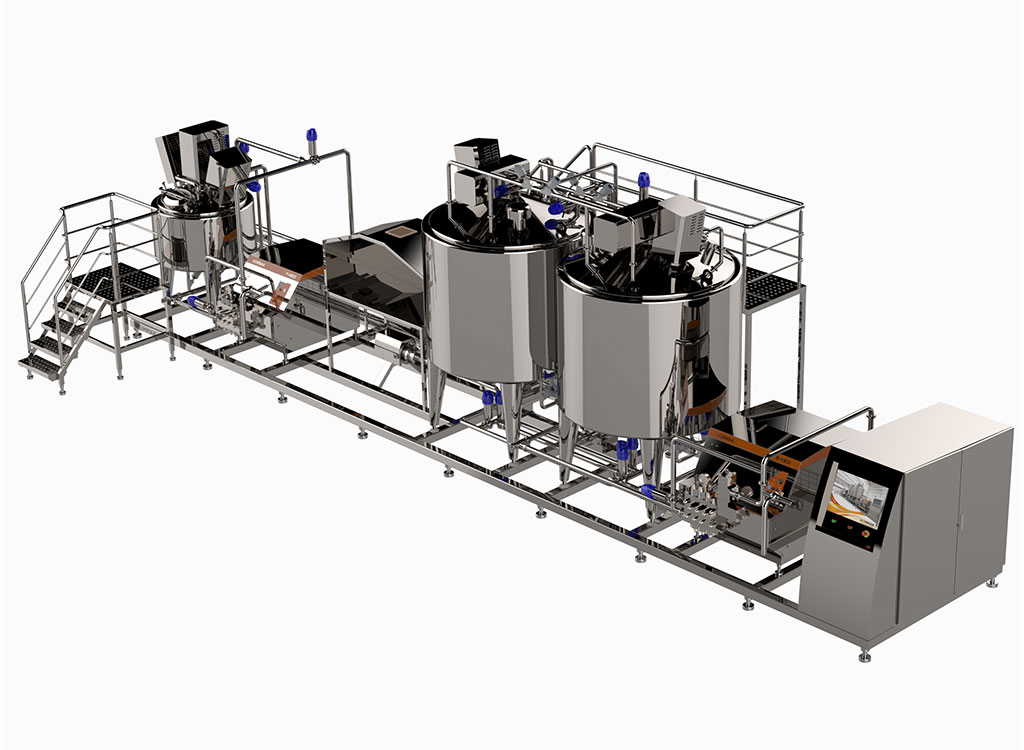
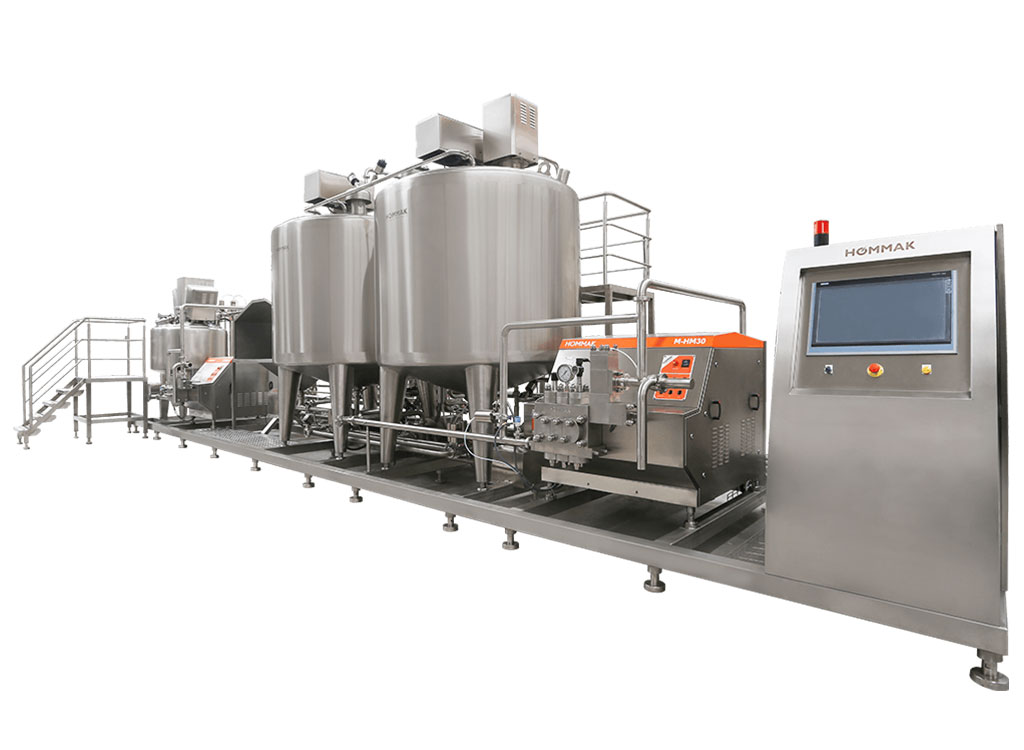


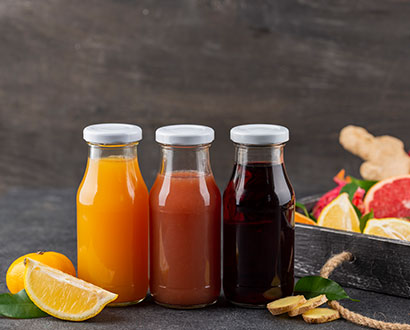
The stages of a typıcal fruıt concentrate productıon lıne are gıven below.
Fruit selection and preparation: Fruits are harvested at the ripening stage and washed if necessary. They are then cut, pitted and pureed.
Extracting fruit juice: The purée is usually squeezed using a press or cylinder to extract the fruit juice. The pressing process may vary depending on the type of fruit and the characteristics of the production line.
Concentration: The fruit juice obtained is converted into a more concentrated product. This is done by removing the water from the fruit juice and evaporating the water using methods such as heat, pressure and vacuum.
Pasteurisation: The concentrated fruit juice is pasteurised to kill microorganisms. This process is carried out with temperature and time control.
Storage: Concentrated fruit juice is transferred to suitable containers or storage tanks for storage.
Packaging: Concentrated fruit juice is usually packaged using aseptic packaging or filling methods. The packaging process may vary depending on the final use of the concentrated fruit juice.
Fruit concentrate production lines may vary depending on the type of fruit, production volume and other factors. However, the above steps show how a typical fruit concentrate production line generally works.
Benefıts of Usıng Homogenısers ın Fruıt Concentrate Productıon
Product quality: Homogenisation improves product quality in fruit concentrate production. Homogenisers break down fruit purée into smaller particles, giving the product a smoother texture and more homogeneous structure. This contributes to higher quality and a more pleasant taste in the final product.
Product stability: Homogenisation also increases the stability of fruit concentrate. Homogenisers break down oil droplets within the product into smaller particles, ensuring the oil is distributed more evenly throughout the product. This extends the shelf life of the product.
Efficiency: Homogenisation increases efficiency in fruit concentrate production. Homogenisers facilitate the processing of fruit puree separated into smaller particles and enable water to be extracted more efficiently.
Energy savings: Homogenisation saves energy in fruit concentrate production. Homogenisers consume less energy to process fruit puree, and energy consumption is also reduced because less water needs to be heated.
Waste reduction: Homogenisation also reduces waste. Homogenisers enable fruit puree to be processed more effectively, allowing water to be extracted more efficiently and reducing waste.
For these reasons, the use of homogenisers in fruit concentrate production is quite widespread and preferred by many manufacturers.
The followıng steps are usually followed to prepare an aroma
Preparing the raw materials: First, the raw materials required for aroma production are prepared. The type of raw material may vary depending on the desired aroma. For example, lemon peel may be used for lemon aroma, and vanilla beans for vanilla aroma.
Extraction: Raw materials are usually extracted using a solvent (liquid). This helps to obtain the desired aroma by extracting the essence of the raw materials. The most commonly used solvents for extraction are organic solvents such as ethanol, methanol or hexane.
Concentration: The extraction process yields a solution obtained from the raw materials. This solution is then concentrated. This makes the flavouring agent more concentrated and easier to store. Concentration can be achieved by heating the solution under vacuum.
Mixing: The concentrated flavouring is mixed with carrier agents (usually water). This gives the flavouring a more homogeneous structure and makes it easier to use.
Filtering: The mixture undergoes a filtering process. This removes any residual matter remaining in the product and ensures that the final product is cleaner and purer.
Storage: The prepared flavouring is stored under appropriate conditions. These conditions may vary depending on the type and properties of the flavouring agent.
Industrial aroma production is used in many areas, particularly in the food and cosmetics industries. Industrially prepared aromas can be offered in powder, liquid or gel form and are available in many different flavours and scents.