
Biotechnology Homogenization Applications
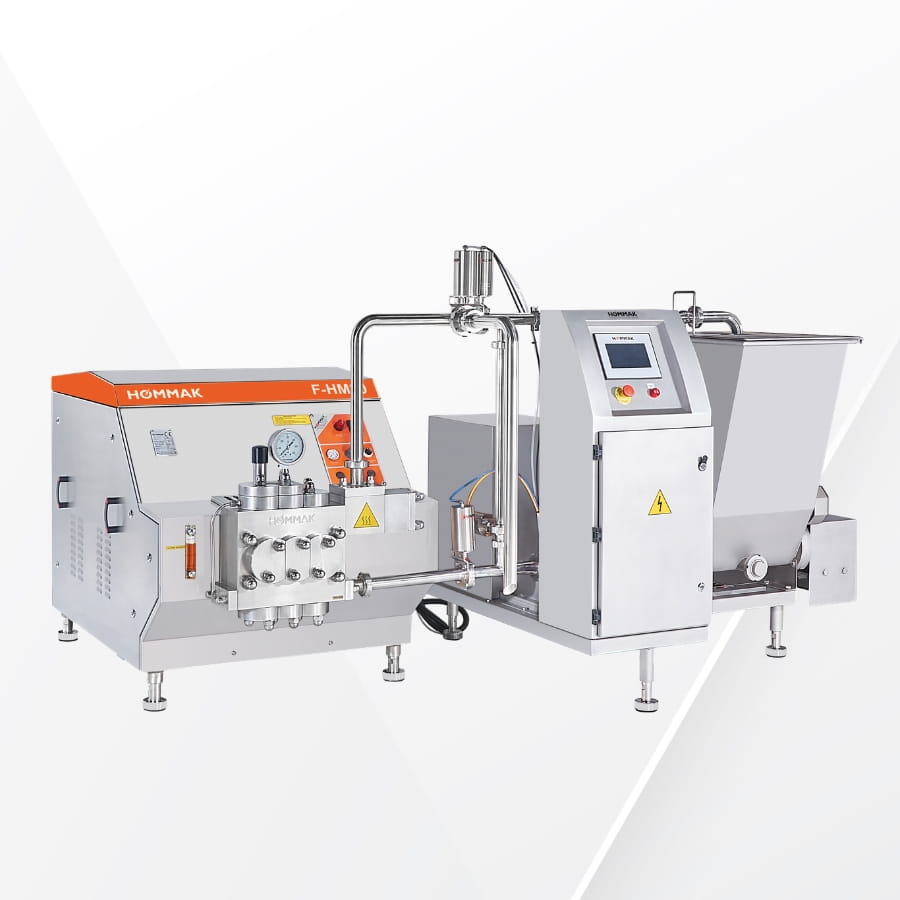
In the biotechnology sector, obtaining intracellular substances in a pure, high-yield, and chemical-free manner forms the baseline of production economics. HOMMAK high-pressure homogenizers deliver reliable performance throughout every stage of biotechnology, spanning from the disruption of bacteria, yeast, algae, and mammalian cells to the production of enzymes, proteins, and liposomes.

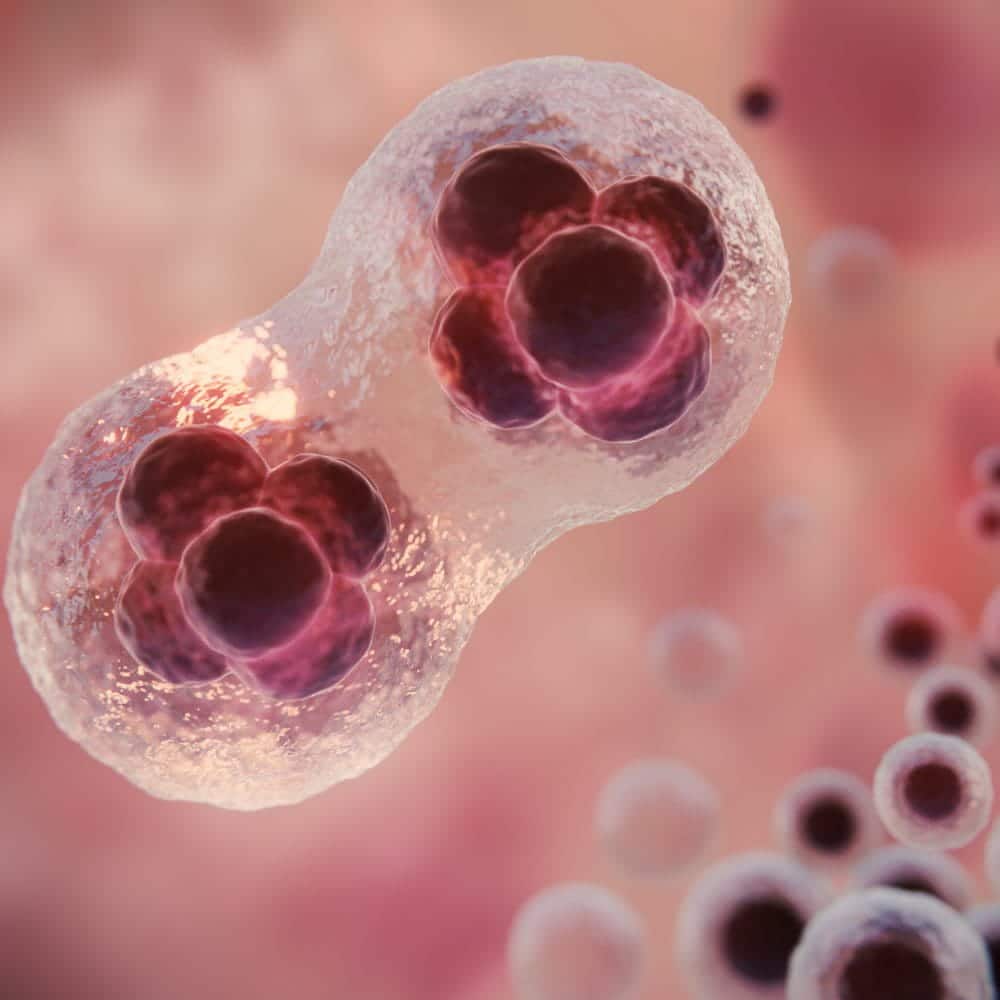
Chemical-Free Cell Disruption Solutions
High-pressure homogenizers rupture the cell membrane using pure mechanical force without any solvents or chemicals. This methodology not only safeguards product purity but also significantly accelerates downstream processing (purification) steps.
Bacteria, yeasts, algae, and plant cells achieve exceptional disruption rates after a single pass. HOMMAK homogenizers provide operating pressures up to 1500 bar, effectively breaking open even the most resistant cell walls.
High Yield in Enzymes, Proteins, and Active Ingredients
Intracellular enzymes, vitamins, proteins, and nucleic acids are released without losing their biological activities, thanks to precisely engineered valve geometries. Integrated cooling systems closely regulate friction-induced heating, thereby maintaining product quality.
In vaccine production, biopharmaceutical R&D, probiotic formulations, and liposome applications, the system delivers stable particle size distributions and highly reproducible results, facilitating seamless process validation workflows.
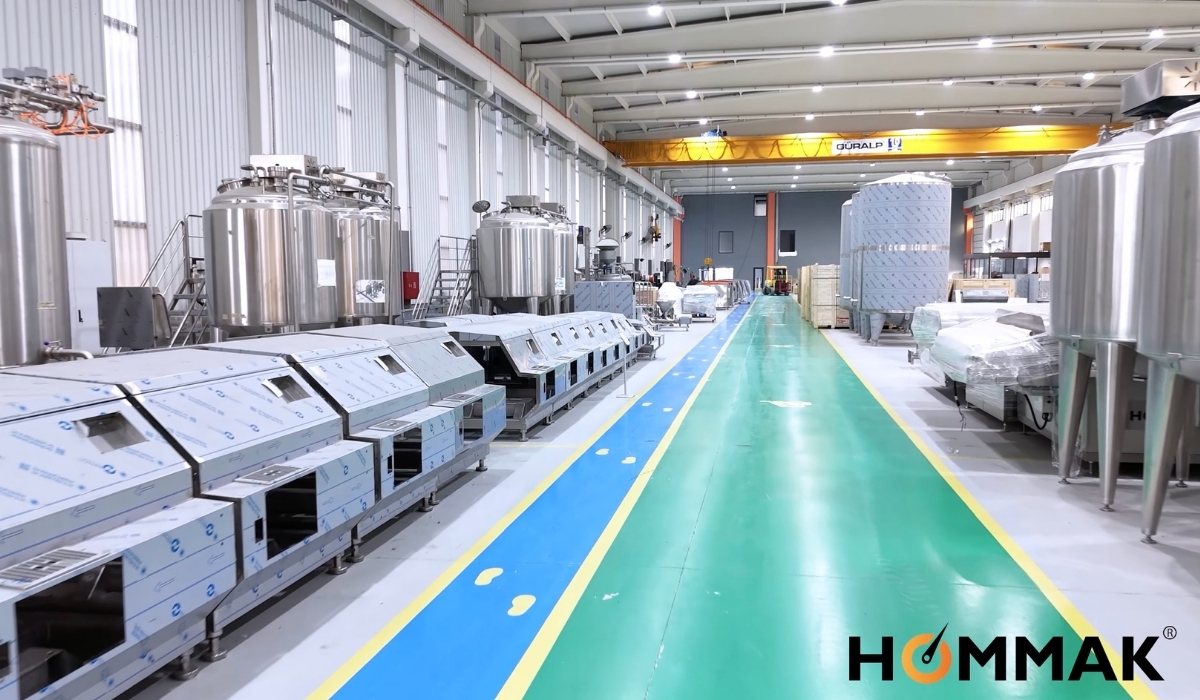
Engineering Support for Your Biotechnology Project
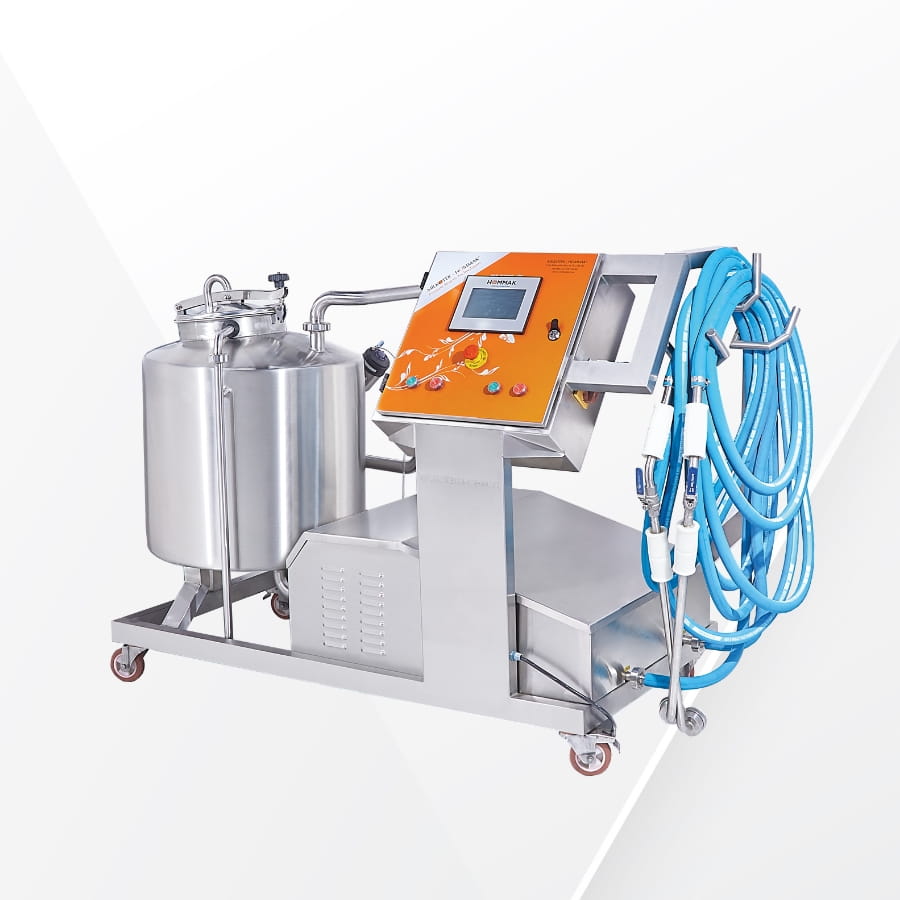
We provide homogenizer configurations suitable for any capacity, from pilot scale to industrial production, complete with process-specific valve selection and CIP/SIP compliant designs. As Turkey’s first domestic homogenizer manufacturer, we offer rapid spare parts support and expert engineering consultancy.
Simply fill out the form to request a quote for your sample or process. Our expert team will determine the most suitable model, pressure range, and valve configuration for your specific cell type and get back to you shortly.
Contact Form
Technical Overview & Operating Principle
In biotechnology, homogenization is a mechanical disruption process applied to release intracellular contents or to render a biological suspension uniform at a sub-micron level. High-pressure homogenizers represent the most robust and reliable hardware for this process because they operate purely through differential pressure, turbulence, and cavitation forces without relying on chemical solvents or enzymatic lysis agents.
While traditional methods (such as bead mills, sonicators, or French presses) fall short of providing consistency and throughput at an industrial scale, continuous-flow homogenizers can process hundreds of liters of suspension per hour. This enables a direct, risk-free scale-up from R&D to full-scale mass production.
The Three-Stage Homogenization Process:
- Pumping: A multi-plunger high-pressure pump pressurizes the biological suspension to an operating pressure between 200 and 1500 bar.
- Homogenization Valve: The suspension passes through a micron-level narrow gap at extreme velocity. The resulting cavitation, impact, and shear forces mechanically rip apart the cell walls.
- Cooling and Collection: Heat exchangers engineered to counteract adiabatic heating maintain the fluid discharge temperature at a level that fully preserves biological activity.
Biotechnology Application Fields
HOMMAK high-pressure homogenizers are utilized across a broad spectrum of biotechnological processes:
- Bacterial and Yeast Cell Disruption: Standard method for disrupting recombinant protein expression hosts such as E. coli, Saccharomyces cerevisiae, and Pichia pastoris. Heavily utilized in insulin, growth hormone, and technical enzyme manufacturing.
- Enzyme and Protein Extraction: Release of intracellular enzymes like lysozyme, β-galactosidase, protease, and lipase without exposing them to denaturing conditions.
- Probiotic and Postbiotic Production: Achieving uniform particle size in probiotic bacterial suspensions and producing inactivated cell fragments for postbiotic formulations.
- Liposome and Nanoemulsion Production: Standardizing liposomes used in drug delivery systems, cosmeceuticals, and vaccine adjuvants into a highly stable, narrow distribution range of 50–200 nm.
- Microalgae and Algae Processing: Extracting astaxanthin, phycocyanin, omega-3 fatty acids, and protein concentrates from microalgae such as Spirulina, Chlorella, and Haematococcus.
- Plant Cell and Tissue Disruption: Extraction of secondary metabolites (alkaloids, flavonoids, terpenoids) from plant cell cultures.
- Virus, Vaccine, and Biopharmaceutical Production: Particle size standardization in viral vector formulations, alongside downstream processing support for monoclonal antibodies (mAbs) and plasmid DNA.
Five Key Criteria for Selecting a Biotechnology Homogenizer
| Criterion | Technical Parameters & Requirements |
| 1. Operating Pressure | Varies between 400 and 1500 bar depending on cell type. Above 800 bar is recommended for yeast and fungal cells; 600–1000 bar is typically sufficient for bacteria. |
| 2. Flow Rate / Capacity | R&D operations require 5–50 L/h; pilot plants require 100–500 L/h; industrial mass manufacturing requires 1,000 L/h or higher. |
| 3. Hygiene Standards | Compliance with GMP, FDA, and EHEDG guidelines along with full CIP/SIP automated cleanability is mandatory for biopharmaceutical lines. |
| 4. Valve Geometry | Custom-tailored valve designs selected based on cell morphology and target particle size directly dictate yield efficiency. |
| 5. Scale-Up Compatibility | Preserving identical homogenization mechanics when migrating from laboratory devices to industrial scale minimizes validation overhead and risk. |
Competitive Advantages of HOMMAK Systems
- First Domestic Manufacturer in Turkey: Deep-rooted expertise in high-pressure homogenizer engineering combined with localization advantages.
- Comprehensive Product Range: Seamless solutions from lab-scale and pilot units up to full industrial models, bridging the gap between R&D and serial production.
- Hygienic Design & Engineering: Stainless steel construction, CIP/SIP integration, and FDA-approved gasket configurations optimized for sensitive applications.
- Rapid Technical Support: Guaranteed spare parts availability, minimal lead times, on-site maintenance, and direct troubleshooting.
- Engineering Consultancy: Comprehensive sample processing analysis, custom valve profiling, and full process optimization support.
Frequently Asked Questions (FAQs)
Q: How does a high-pressure homogenizer disrupt cells?
A: Cells suspended in a fluid are forced through an extremely narrow valve gap at high velocity under immense pressure. During this brief passage, intense cavitation, turbulence, and impact forces mechanically tear open the cell walls. Because no chemical solvents or biological enzymes are introduced, the natural purity of the end product remains completely uncompromised.
Q: What pressure range is typically required in biotechnology?
A: The required pressure depends heavily on cell morphology. Bacterial cells generally require 600–1000 bar; yeast and fungal cells require 800–1200 bar; while liposome and nanoemulsion preparation often spans 1000–1500 bar. HOMMAK homogenizers provide versatile performance configurations up to 1500 bar.
Q: Does high-pressure homogenization denature or damage enzyme activity?
A: If the friction-induced adiabatic temperature rise is left unmanaged, thermal denaturation can occur. To prevent this, HOMMAK homogenizers integrate highly efficient heat exchangers and cooling systems that stabilize the discharge temperature, ensuring biological activity is fully preserved.
Q: Is it straightforward to scale up from laboratory findings to industrial production?
A: Yes. Because HOMMAK’s laboratory, pilot-plant, and industrial models share identical fluid mechanics and valve dynamics, scaling up is direct. This mitigates technology transfer risks and shortens regulatory validation timelines.
Q: Are the systems compatible with automated CIP/SIP protocols?
A: Absolutely. All systems configured for biotechnology and biopharmaceutical operations feature a fully hygienic architecture compatible with Clean-In-Place (CIP) and Sterilize-In-Place (SIP) protocols, aligning strictly with GMP and FDA standards.
Q: What are the advantages of high-pressure homogenization over sonication or bead milling?
A: While sonication and bead milling are mostly restricted to batch processing at a laboratory scale, high-pressure homogenizers offer continuous flow processing capable of treating hundreds of liters per hour. Furthermore, thermal management is significantly more precise, and direct scale-up is easily achievable.
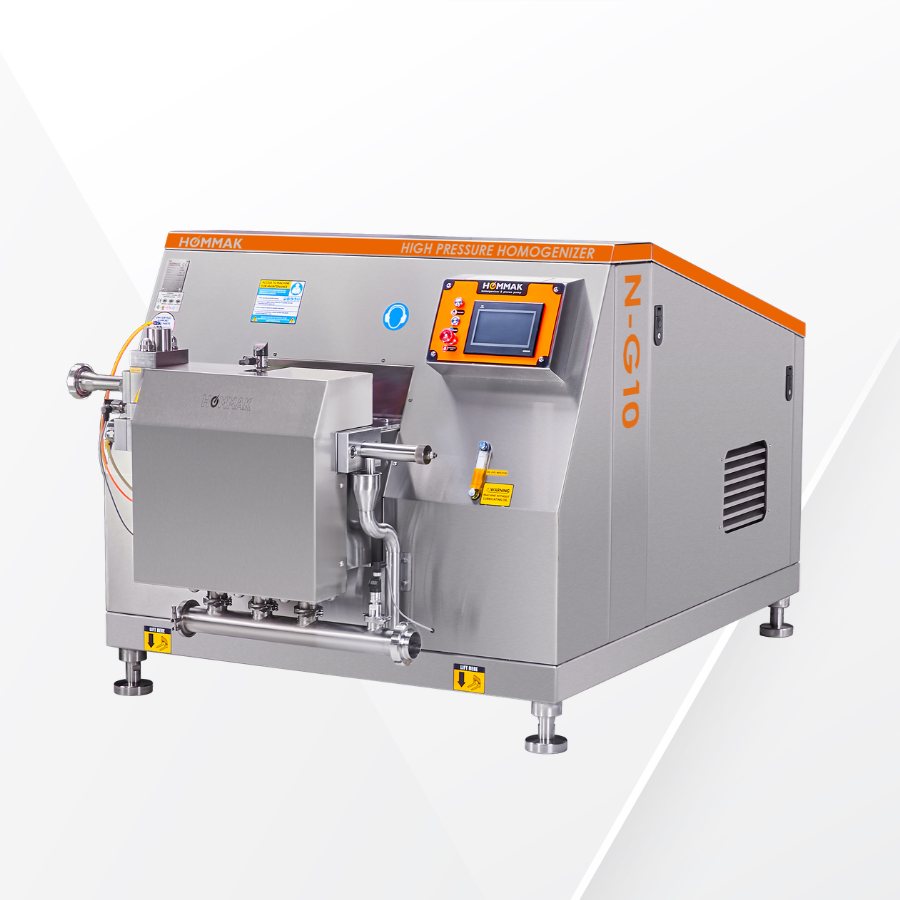
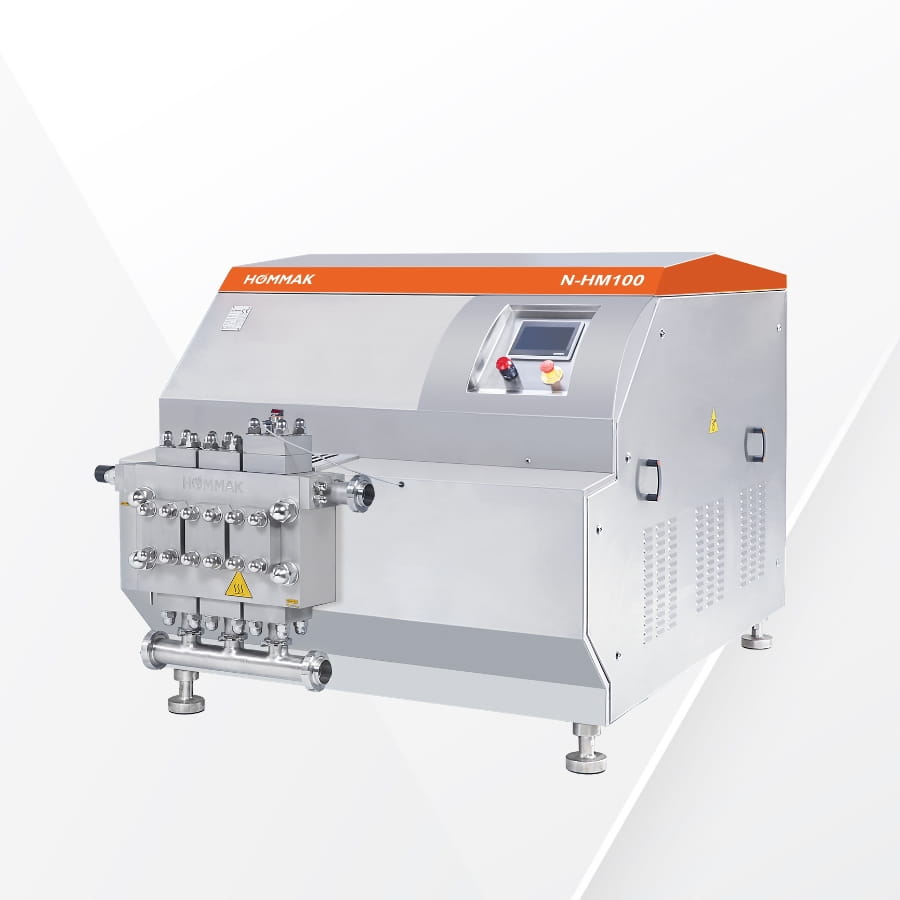
Contact Us Now
Contact our expert team today for tailored solutions for your projects.