High-Pressure Homogenizer for Chemical & Petrochemical
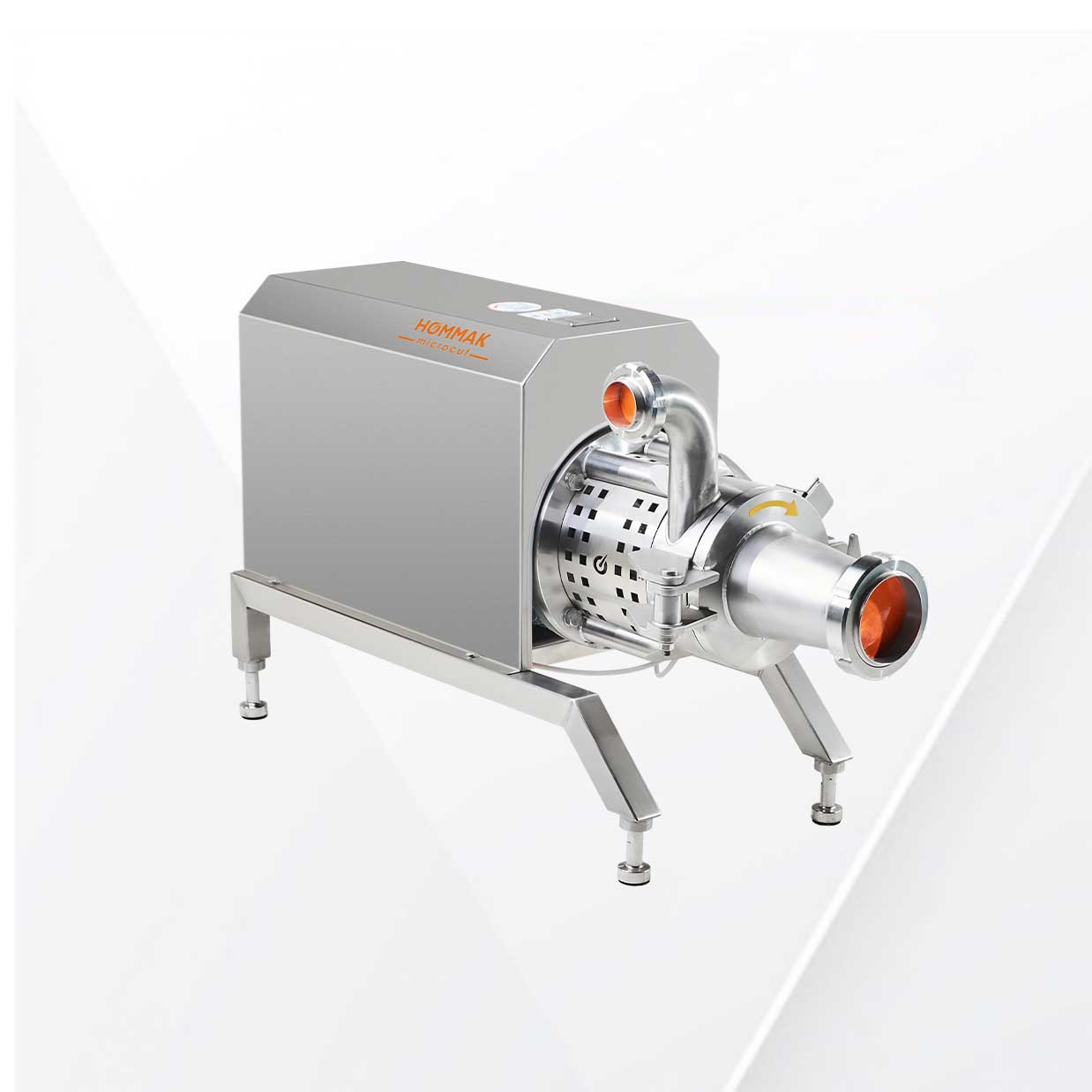
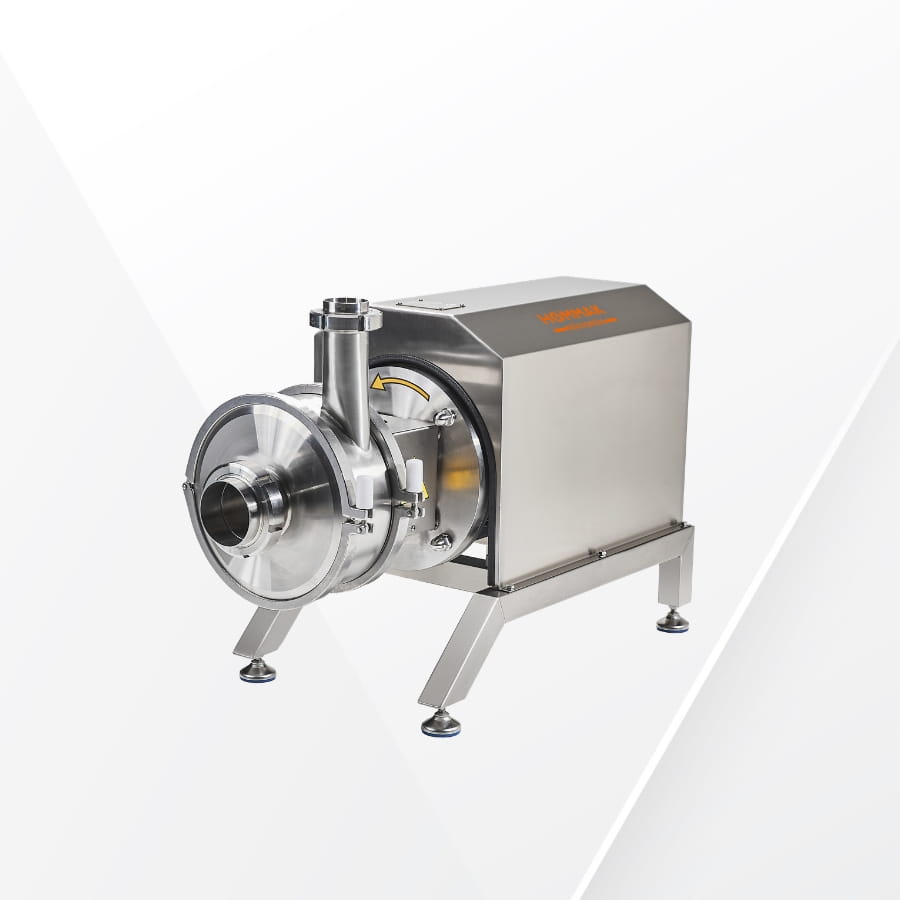
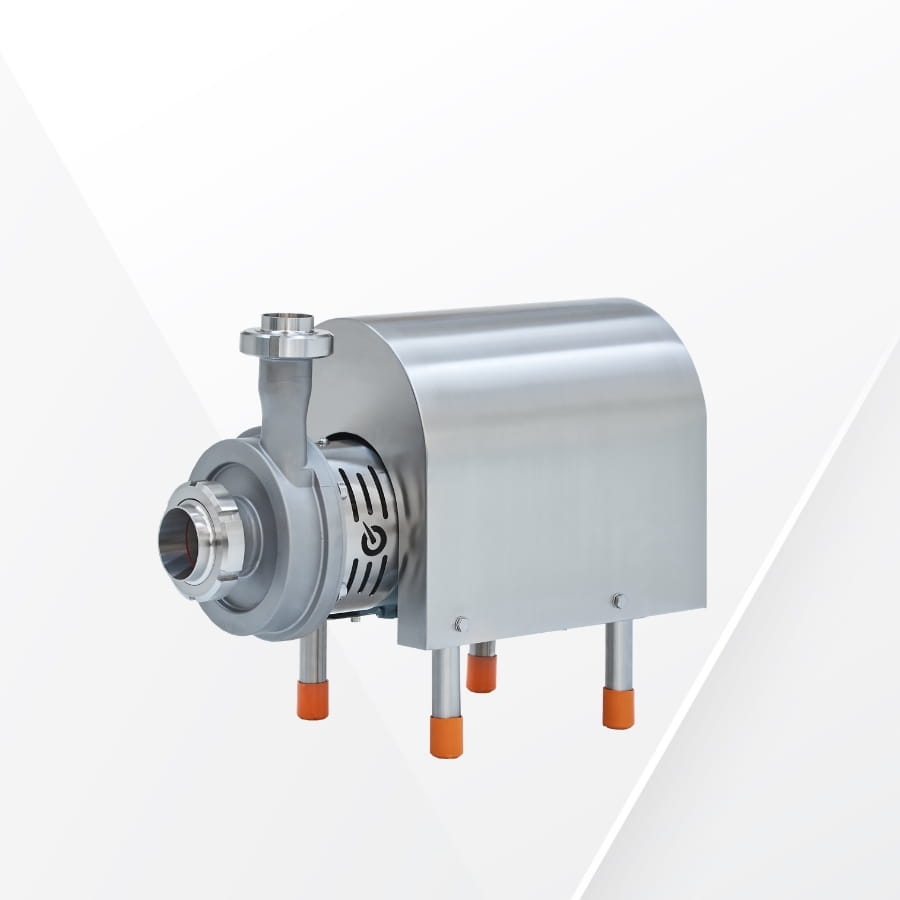
Product quality in the chemical and petrochemical industry starts with stable emulsions, narrow particle size distribution, and consistent viscosity. HOMMAK high-pressure homogenizers reduce particle size to sub-micron levels in dozens of formulations ranging from paints to lubricating oils, detergents to polymer dispersions, thereby increasing reaction rates and product performance. Choosing the right equipment is critical to operating your production line at maximum efficiency with pressures exceeding 200 bar.

The Key to Stable Emulsions and Suspensions: High-Pressure Homogenization
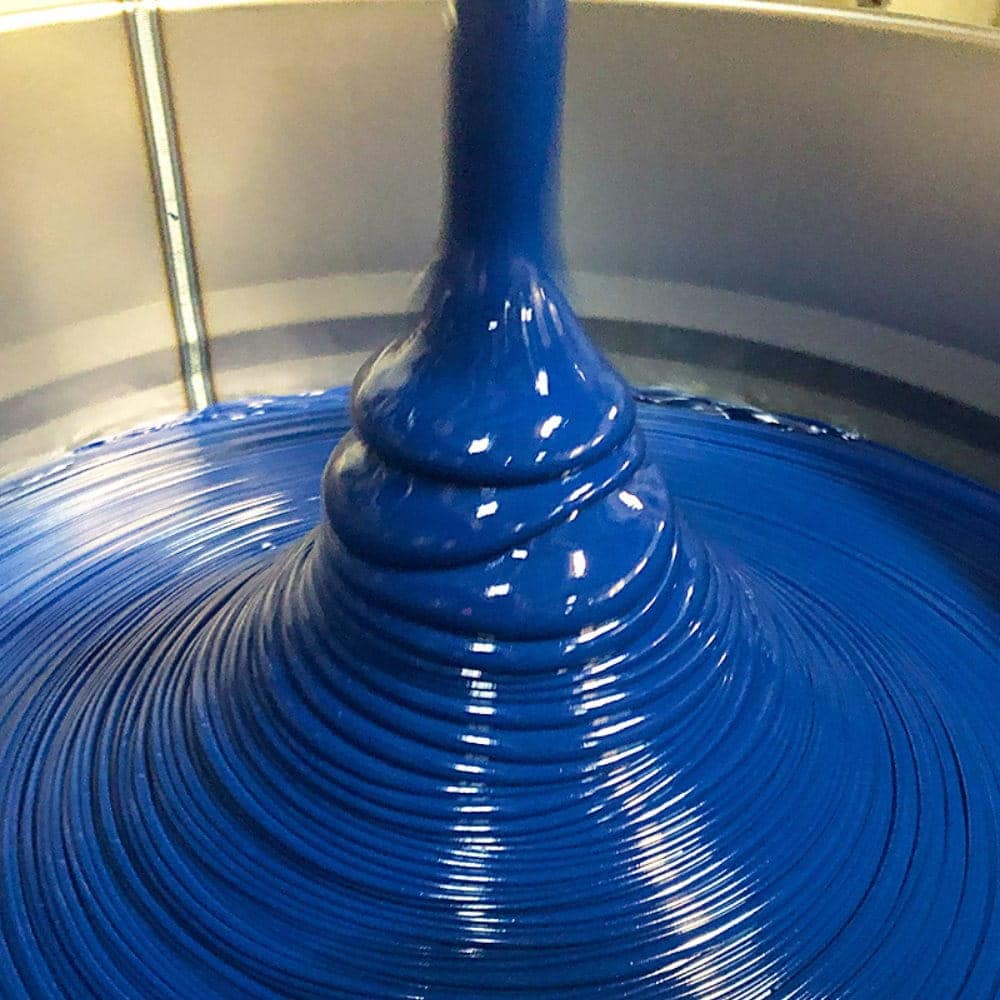
Heterogeneous systems such as suspensions (liquid-solid) and emulsions (liquid-liquid) form the core product groups of the chemical industry. High-pressure homogenizers pass these mixtures through narrowed valve gaps at high velocity, reducing particle size and achieving a uniform distribution through mechanical shear, cavitation, and turbulence effects.
The result of this process is not merely visual homogeneity; it provides phase stability that can last for months, extends shelf life, and minimizes the risk of precipitation/separation in the final product. Industrial homogenizers are engineered with the durability to deliver this stability 24/7 on mass production lines.
Reaction Efficiency and Surface Area Gain
As the homogenization process reduces particle size, it dramatically increases the surface area per unit volume. This expanded surface area accelerates chemical reaction rates and lowers reaction temperatures and times, thereby reducing energy costs and production cycle times.
In pigment, ink, and paint manufacturing, the same principle enhances color intensity while optimizing additive consumption. The result: achieving the same performance with less raw material—a direct efficiency gain reflected in profit margins.
Engineering-Based Pressure Optimization
Every product has a distinct viscosity, rheology, and phase ratio; hence, there is no “single correct pressure.” While 150 bar might suffice for latex emulsions, grease oils or corrosion inhibitors may require a range of 600 to 1,000 bar. Selecting the incorrect pressure leads to both excessive energy consumption and product damage.
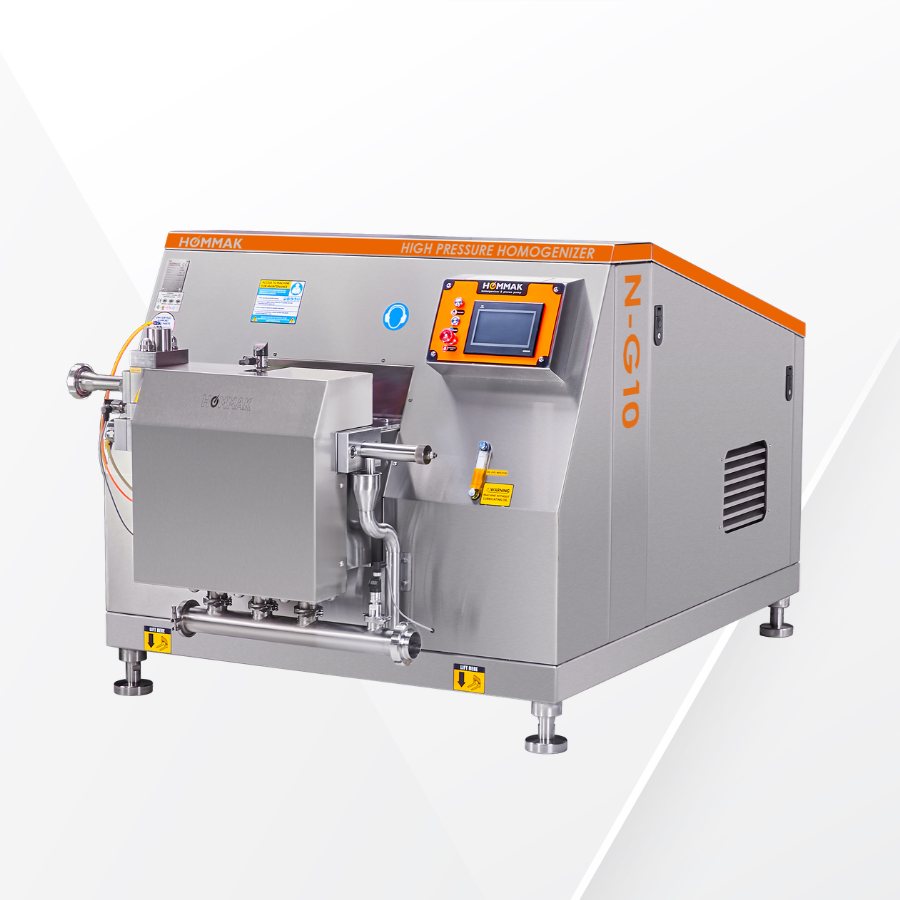
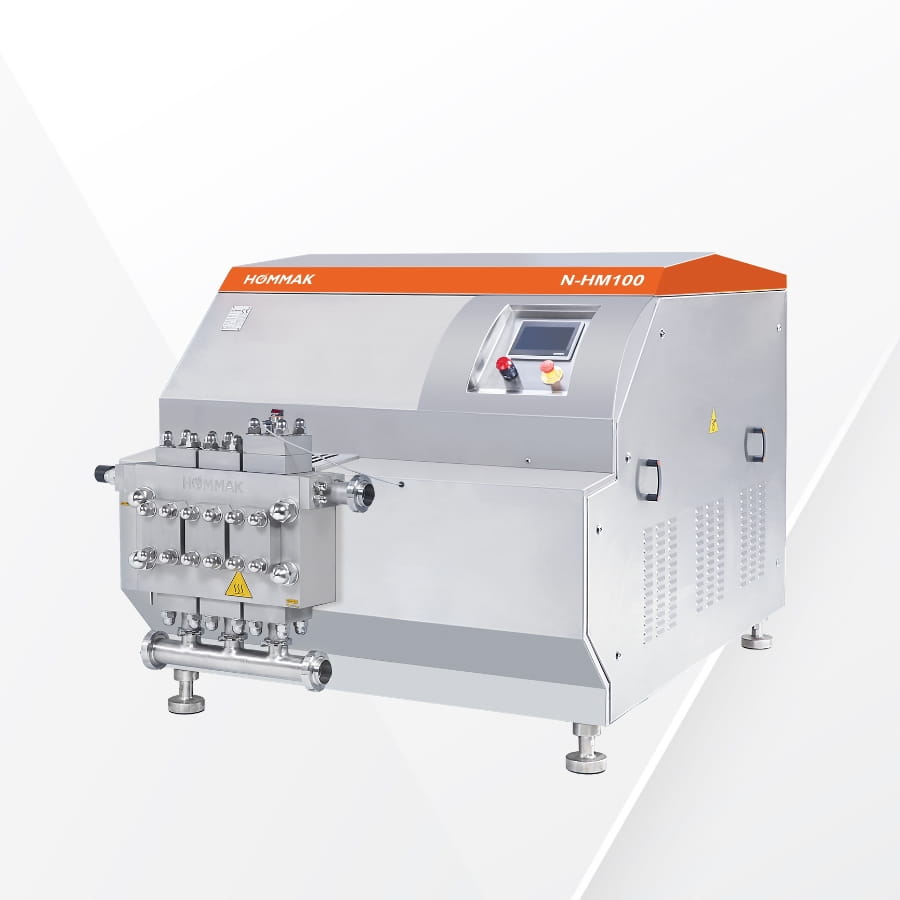
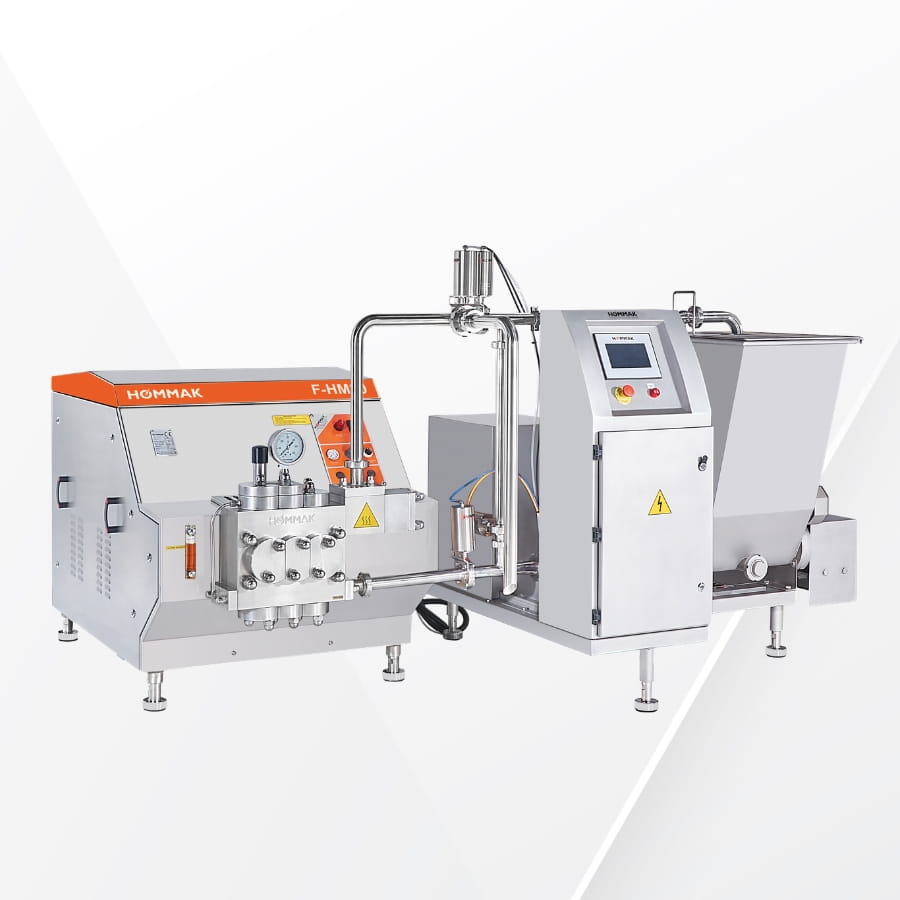
HOMMAK’s sales engineers determine the specific pressure window and the right valve set / block geometry for your formulation through sample testing and reference data. Depending on your requirements, laboratory-type, pilot plant, or industrial-scale equipment is recommended.
Contact us today to receive detailed information about HOMMAK Homogenizers.
Contact Form
Homogenizer Application Areas in Chemical and Petrochemical Industries
High-pressure homogenizers are utilized in almost all sub-segments of the chemical industry. The primary application areas of HOMMAK equipment include:
Paint, Pigment, and Ink Systems
- Water-based and solvent-based paints
- Industrial pigment dispersions
- Offset and flexo printing inks
- Colorant concentrates
Oil and Lubrication Products
- Mineral oil emulsions
- Paraffin and wax emulsions
- Grease oils
- Lubricating oils
- Corrosion inhibitor fluids
Polymer and Resin Dispersions
- Lateks and synthetic polymer emulsions
- Water-based resins
- Adhesives
- Emulsifiers
Cleaning and Surfactant Production
- Liquid detergent formulations
- Soap emulsions
- Industrial cleaners
Mineral and Colloidal Systems
- Clay and kaolin dispersions
- Liposome suspensions
- Lanolin emulsions
- Liquid fertilizers
- Fuel additives
6 Critical Advantages of Using HOMMAK High-Pressure Homogenizers
- Smaller particle size (D90 < 1 µm): Intenser color, higher biological activity, better coating performance.
- Dramatic increase in phase stability: Months of emulsion stability, minimizing precipitation risks.
- Raw material savings: Up to 15–30% reduction in pigment, emulsifier, and additive consumption.
- Repeatable manufacturing: Identical quality from lot to lot—stable results in quality control processes.
- Shorter reaction time: Increased reaction rate due to surface area expansion, shortening cycle times.
- Low operational cost: Fast access to spare parts and technical service with domestic production in Turkey.
How to Choose the Right Homogenizer?
Choosing the right equipment depends on three fundamental parameters:
| Parameter | Evaluation Criteria |
| Production Capacity | Hourly flow rate (l/h), daily production volume |
| Operating Pressure | Between 150–1,500 bar depending on the rheological properties of the formulation |
| Hygiene / Corrosion | Special sealing for solvent-based products, stainless steel / Hastelloy selection for aggressive chemicals |
Laboratory-type homogenizers are preferred for developing formulations on a test scale, pilot plant homogenizers are used for the scale-up phase of the process, and industrial models are chosen for mass production.
Frequently Asked Questions
Q: What exactly does a high-pressure homogenizer do in the chemical industry?
A: A high-pressure homogenizer provides phase stability, viscosity control, color intensity, and reaction efficiency by reducing the particle size of chemical products with emulsion and suspension structures to sub-micron levels. Paints, inks, greases, and detergents are the primary application areas.
Q: What pressure value is suitable for petrochemical products?
A: Operating pressure in petrochemical applications is generally above 200 bar; grease oils, corrosion inhibitors, and specialty polymer dispersions may require 600–1,000 bar. The optimum pressure value is determined through testing by HOMMAK sales engineers based on product viscosity, target particle size, and formulation stability.
Q: Is homogenization mandatory in latex and polymer dispersions?
A: Yes. Using a homogenizer in synthetic latex and polymer dispersions is the industry standard to achieve uniform particle distribution, lower surface tension, and long shelf life. Unhomogenized products show separation and precipitation in a short period.
Q: Is the Hommak homogenizer manufactured in Turkey?
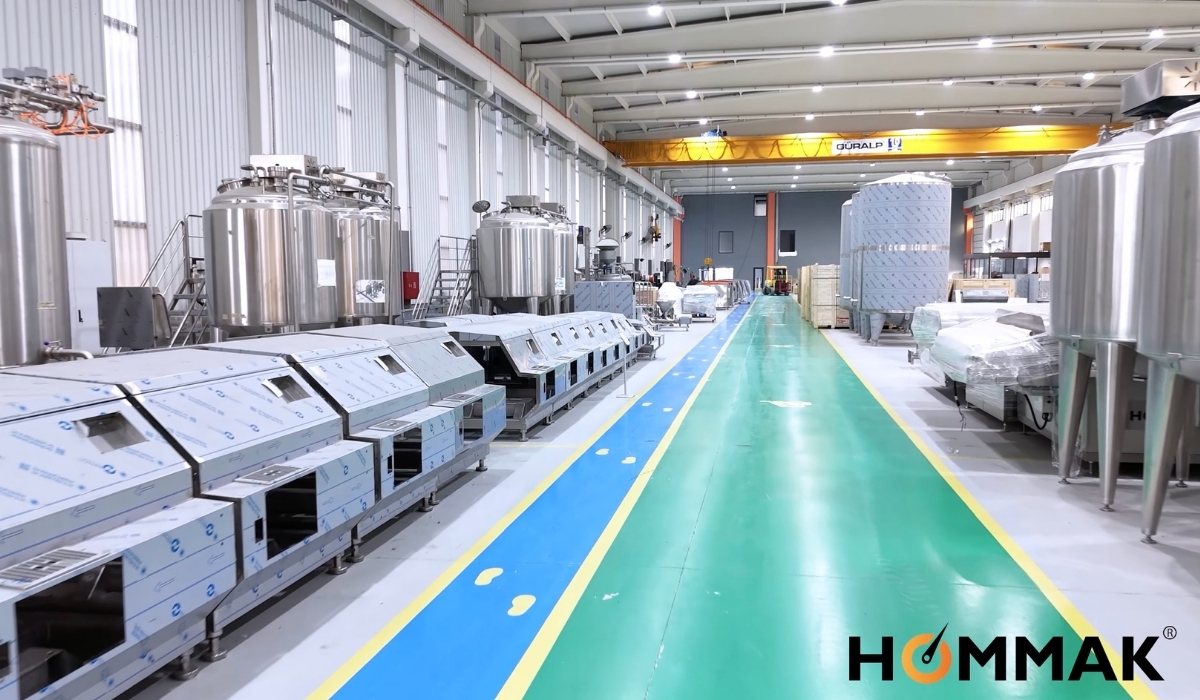
A: Yes. HOMMAK is the first domestic manufacturer of high-pressure homogenizers in Turkey and possesses one of the largest single-roof homogenizer manufacturing capacities globally. This ensures that spare parts supply, technical service, and engineering support are provided much faster domestically.
Q: Should I choose a laboratory-type or a pilot plant model?
A: If you are in the stage of developing new formulations, laboratory-type models (5–50 l/h) are ideal. For scale-up tests before moving the process to mass production, pilot plant models (50–500 l/h) are preferred. Industrial models are selected for mass production.
Hemen İletişime Geç
Projelerinize özel çözümler için uzman ekibimizle şimdi iletişime geçin.