The Effect of Using a Homogenizer in Grease Manufacturing
The need to lubricate mechanical parts dates back to ancient times. As early as 1400 BC, the Egyptians used sheep and beef tallow to reduce axle friction on their chariots. More complex lubricants were attempted by mixing fat and lime in old wheel hubs, but they were nowhere near the equivalent of modern greases. Effective lubricating greases simply did not exist until petroleum-based oils were developed in the late 1800s. Today, many different types of grease are produced, yet the basic structure of these greases remains broadly similar.
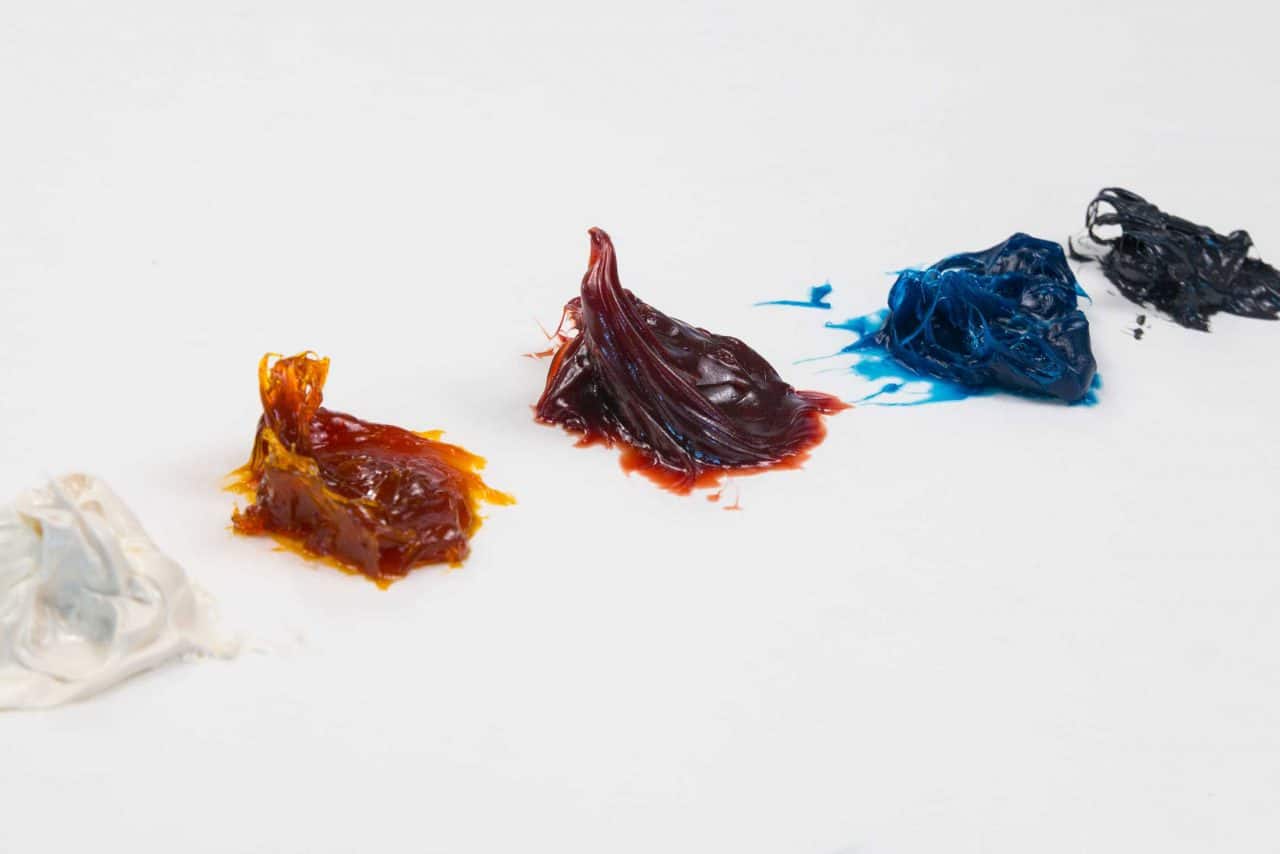
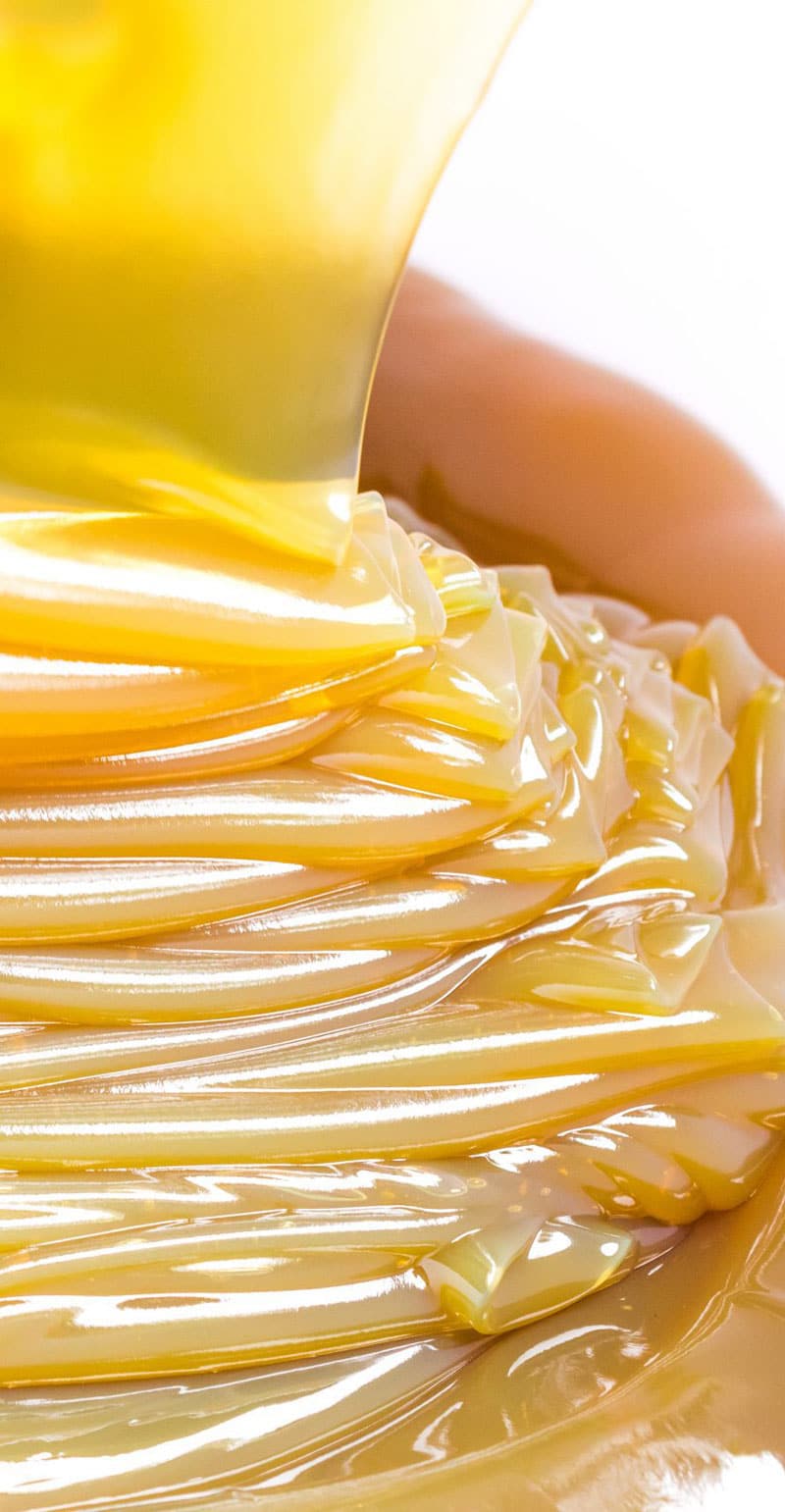
In general, grease consists of a thickening or gelling agent dispersed in a lubricating oil. Thickeners and gelling agents can include alkali metal soaps, clays, polymers, carbon black, colloidal silica, and aluminum complexes. The lubricating oil itself can be either a petroleum oil or a synthetic oil. The most common type of grease is soap-based grease.
In soap greases, the metallic soap is formed from a long-chain fatty acid neutralized by a metal such as aluminum, barium, calcium, lithium, magnesium, sodium, or strontium. To thicken the grease properly, the soap must take the form of appropriately sized fibers dispersed throughout the lubricating oil. These crystalline fibers are generally in the 1–100 micrometer size range, with diameters between 0.1 and 0.01 mm of their length. To obtain a high-quality grease, the length-to-diameter ratio must be high, and for good oil retention the fibers must be as small as possible.
Emulsifiers in Grease Formulation
Substances such as beeswax, fatty acids, lecithin, and egg yolk have served as emulsifiers for many years. Emulsifiers are widely used to prevent phase separation in mayonnaise, margarine, cream-based sauces, packaged foods, and across the pharmaceutical and paint industries.
Stages of Grease Production
Production stages of lubricating grease:
- The components of the grease are measured out or charged into the processing reactor.
- For soap-based greases, the fatty content, alkali, and a portion of the oil are added to the reactor.
- By heating (150–230 °C) and stirring, the oil is converted into soap and the soap is distributed throughout the mixture. This can be done in an open water heater or a closed pressurized water heater.
- Once saponification and dehydration (removal of water) are complete, the remaining oil is added to the batch to lower the temperature.
- The grease is then milled and homogenized.
Why Homogenization Matters in Grease Production
The homogenization step is critical in grease manufacturing because a uniform crystal and gel structure must be produced — one that will not change while the grease is in use. Homogenizing the grease breaks down the solid particles and fibers it contains and disperses the resulting fine particles uniformly throughout the liquid. This breakdown process also keeps agglomeration to a minimum. By eliminating large particles, it delivers a smooth, consistent product. For certain types of grease, homogenization hardens the product and provides a lower penetration value. It can also improve texture and enhance the gloss of a grease’s appearance. The process is generally carried out at temperatures above 80 °C.
Advantages of a High-Pressure Homogenizer
- Produces a more consistent product with greater mechanical stability.
- The homogenizer is a positive (constant) displacement pump, and its capacity does not change across different grease grades. This makes it possible to connect directly to filling equipment when required. A colloid mill, by contrast, must be fed by a pump, and its capacity drops significantly with harder grease grades.
- After homogenizing the grease, the high-pressure homogenizer has enough pressure to deliver it to any point in the process. However, if the grease needs to be sent elsewhere, a second pump is required to handle the colloid mill product.
- Because particle size is reduced, reaction time can fall by a factor of four to five — delivering substantial energy savings.
How HOMMAK Homogenizers Are Used in Grease Production
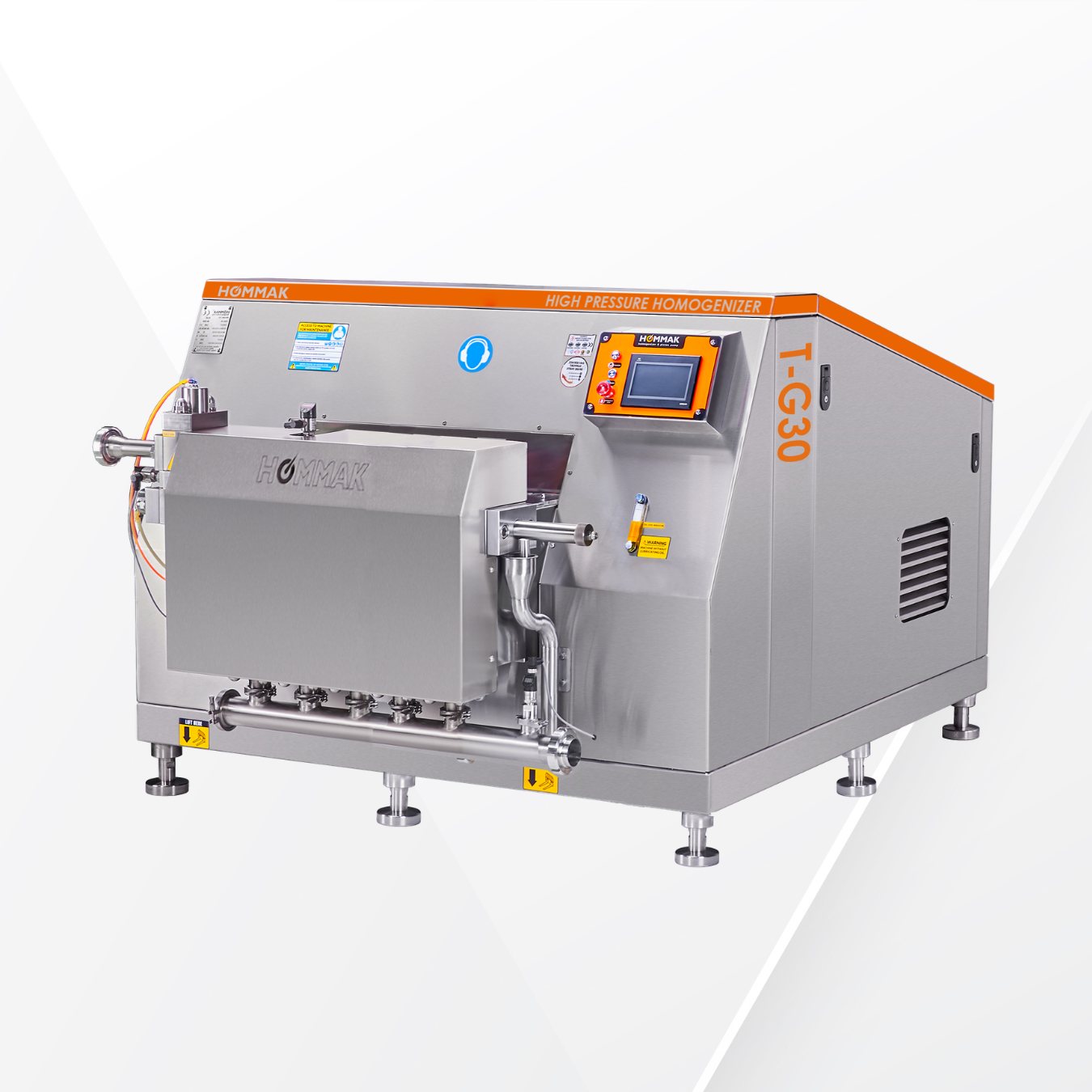
Homogenizers are used to process lubricating grease. HOMMAK homogenizers are built from highly wear-resistant materials and can operate at pressures of up to 1,500 bar. The homogenizer is the preferred equipment for greases containing additives, because high energy is required to break down and delaminate components such as clay dispersions. While a colloid mill can be used to process grease, a high-pressure homogenizer is the more advantageous choice.
How Much Does a Homogenizer Cost?
To answer this question, you should first consider the following:
Contact us for detailed information on high-pressure homogenizer pricing.